
6 months - 3 years:
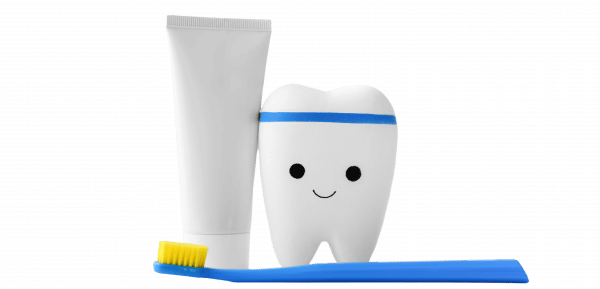
 > Use a tooth paste with a fluoride concentration less than 500 ppm, and apply a quantity about equal to the size of a grain of rice when brushing.
3-6 years:

> Your child's toothpaste should have a fluoride concentration of 500 ppm, and apply a quantity about equal to the size of your child's pinky nail (or a pea!) when brushing.
Before 6 years of age, toothpastes are formulated to be swallowed, therefore pay attention to the concentrations to avoid an overdosage.
6 years and older:
> Once children habitually spit out their toothpaste, the ideal fluoride concentration is between 1000-1500 ppm.
First and foremost, fluoride is and remains a principal tool in the fight for cavity prevention. However, its administration can be nuanced. For example, the latest studies show that fluoride effects are more pronounced when applied locally. This is why we recommend direct fluoride treatments, such as children’s fluoride toothpaste as well as topical fluoride treatments every six months at checkups.
Similarly, there are also fluoride trays and pastes that are useful in cases where tooth enamel is particularly fragile.
The recommended fluoride intake is 0.05 mg/kg per day, which can be naturally met with fluoridated foods such as table salt, bottled water (and certain carbonated waters in particular), as well as children’s toothpaste.
Oral fluoride supplements (lozenges) are now prohibited. Moreover, according to the latest AFSSAPS recommendations (2008), fluoride supplements should not be given before the age of 6 months.
6 months - 3 years:
> Use a tooth paste with a fluoride concentration less than 500 ppm, and apply a quantity about equal to the size of a grain of rice when brushing.
3-6 years:
> Your child's toothpaste should have a fluoride concentration of 500 ppm, and apply a quantity about equal to the size of your child's pinky nail (or a pea!) when brushing.
Before 6 years of age, toothpastes are formulated to be swallowed, therefore pay attention to the concentrations to avoid an overdosage.
6 years and older:
> Once children habitually spit out their toothpaste, the ideal fluoride concentration is between 1000-1500 ppm.
First and foremost, fluoride is and remains a principal tool in the fight for cavity prevention. However, its administration can be nuanced. For example, the latest studies show that fluoride effects are more pronounced when applied locally. This is why we recommend direct fluoride treatments, such as children’s fluoride toothpaste as well as topical fluoride treatments every six months at checkups.
Similarly, there are also fluoride trays and pastes that are useful in cases where tooth enamel is particularly fragile.
The recommended fluoride intake is 0.05 mg/kg per day, which can be naturally met with fluoridated foods such as table salt, bottled water (and certain carbonated waters in particular), as well as children’s toothpaste.
Oral fluoride supplements (lozenges) are now prohibited. Moreover, according to the latest AFSSAPS recommendations (2008), fluoride supplements should not be given before the age of 6 months.

