
Quel est l’ordre de la poussée dentaire de bébé ?
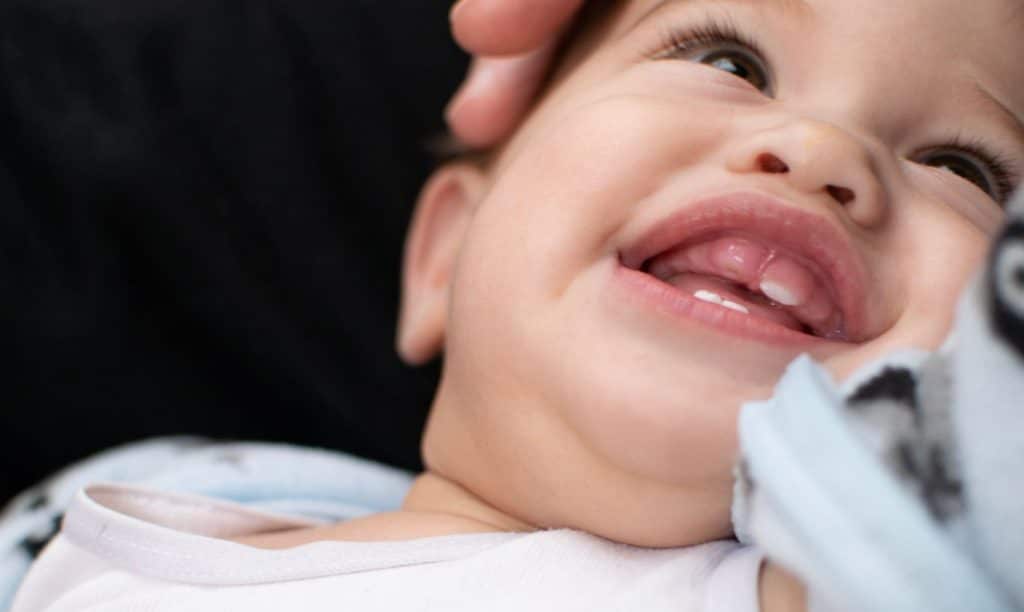
Les dents d’un enfant se forment in utero dès la 6ème semaine de grossesse. Mais les dents ne finissent par sortir que plusieurs mois après la naissance, lorsque bébé fait sa poussée dentaire. Durant cette période, les dents traversent l’os de la mâchoire et la gencive. Découvrez l’ordre de la poussée dentaire de bébé dans […]
Baby's first tooth is crooked: what to do?

When babies are teething, their first tooth may grow in crooked. There are different ways to prevent crooked teeth in young children. Find out what causes a crooked first tooth, and what treatments are available. Is your baby's first tooth crooked?
Connaître les symptômes d’une poussée dentaire de bébé

Teething is a normal part of baby's development. For several months, baby teeth form inside the jawbone and gradually move out. The growing tooth then causes inflammation of the gums. Learn about the symptoms that accompany teething in your baby [...]
Permanent tooth growing behind a baby tooth
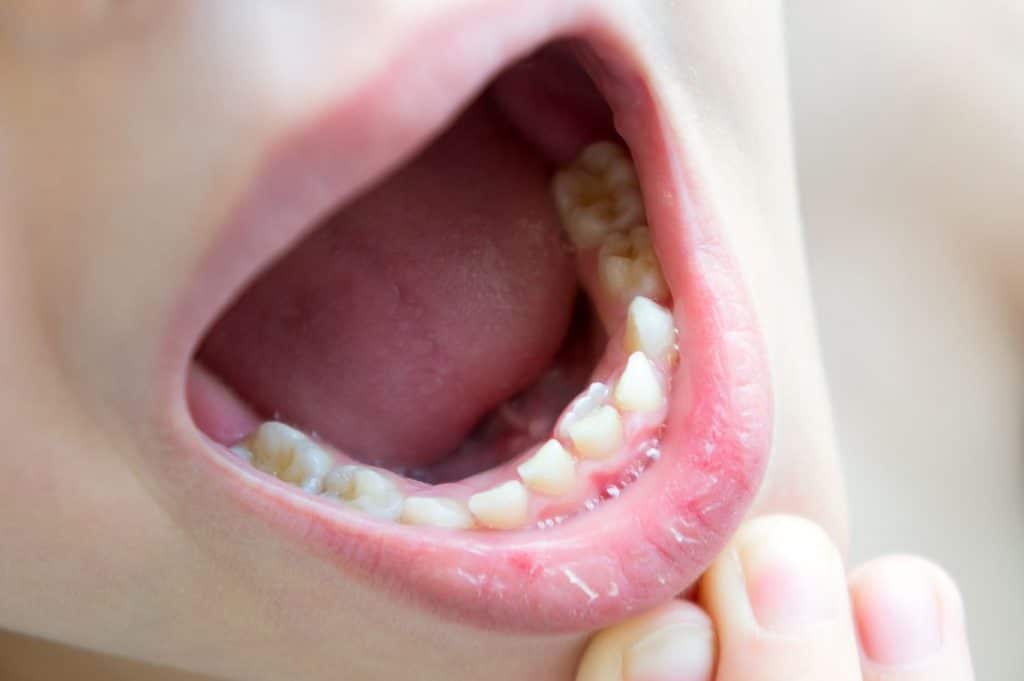
Baby's teething is a special event. Sometimes difficulties and abnormalities accompany teething. If your child has a permanent tooth that grows behind a baby tooth, it is likely that you have questions, as this phenomenon is not harmless. It is indeed possible that a permanent tooth grows behind a baby tooth.
Tooth growing in the palate: what is it?
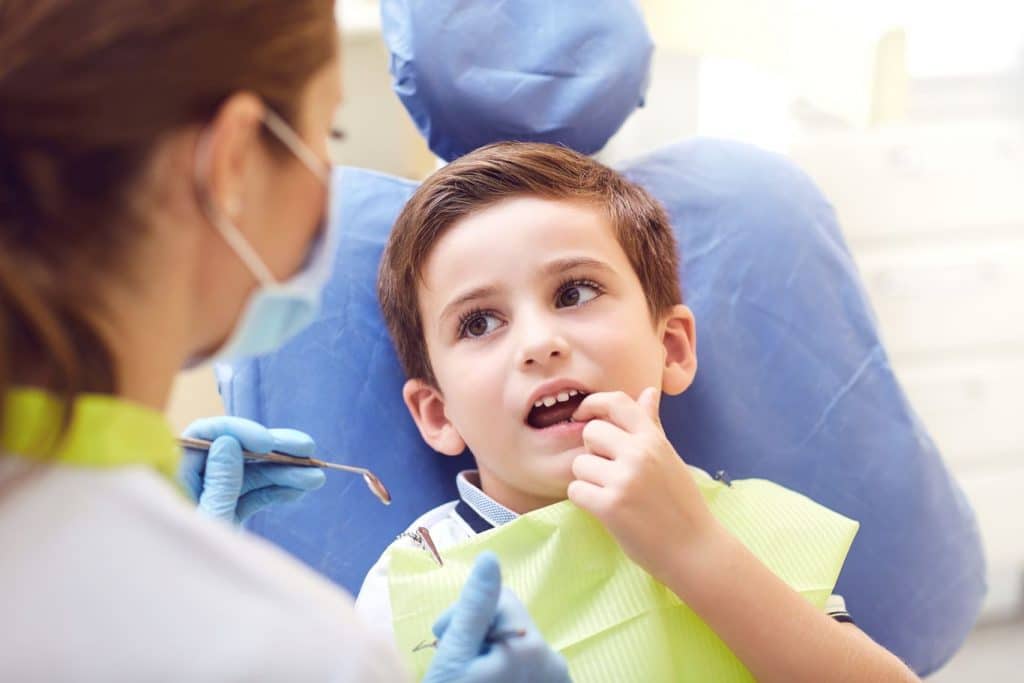
Des événements importants surviennent lors de la croissance de votre enfant. C’est le cas de la poussée dentaire de bébé. Généralement l’éruption des dents est facilement soulagée par quelques astuces, mais il arrive parfois que des complications surviennent. Une dent qui pousse dans le palais est le résultat d’une malposition dentaire voire d’une hyperdontie. En […]

