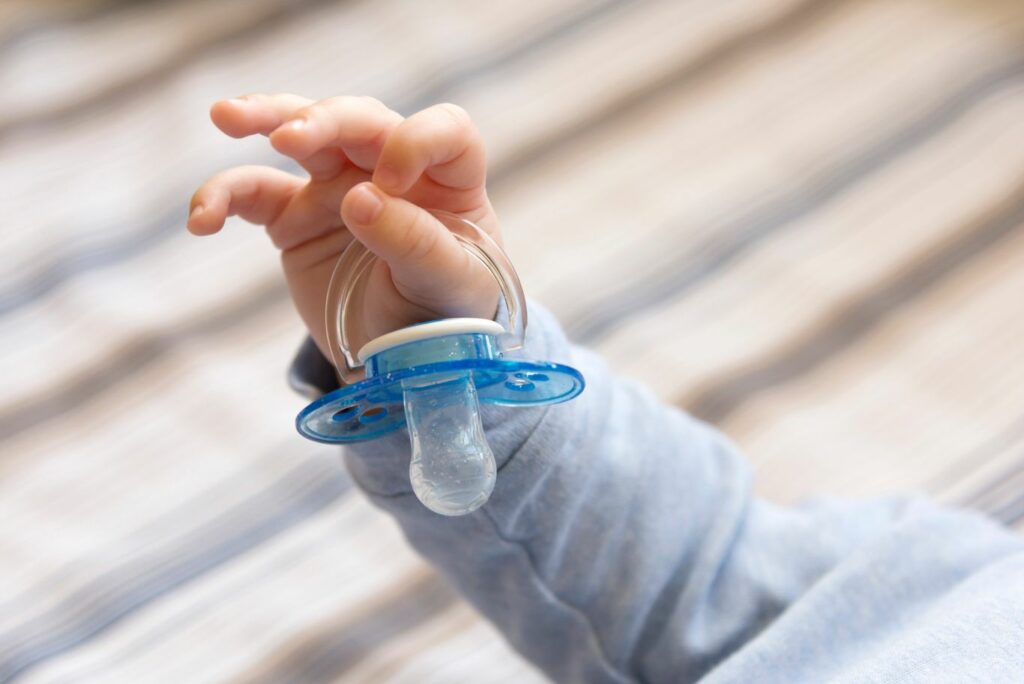
Pacifier, pacifier, towel, thumb or cuddly toy, the sucking reflex is innate to the baby. In the mother's womb, some fetuses already suck their thumb. After birth, this reflex allows them not only to feed themselves (at the breast, bottle) but also to reassure and calm themselves in case of need (crying, falling asleep, etc.)
As children grow up, many of them are unable to break this ingrained habit. However, the pacifier can lead to growth problems and orthodontic deformities.
In this article we talk about the long-term effects of pacifiers and give you some tips on how to help your child part with them.
Harmful effects of pacifiers
Teeth damaged by the pacifier
Teeth can be deformed by the use of a pacifier (or other sucking device). It is important to know that in the medium and long term, the use of a pacifier can hinder the growth of milk teeth and even permanent teeth.
Here are some dental problems your child may face:
Upper or lower teeth towards the front
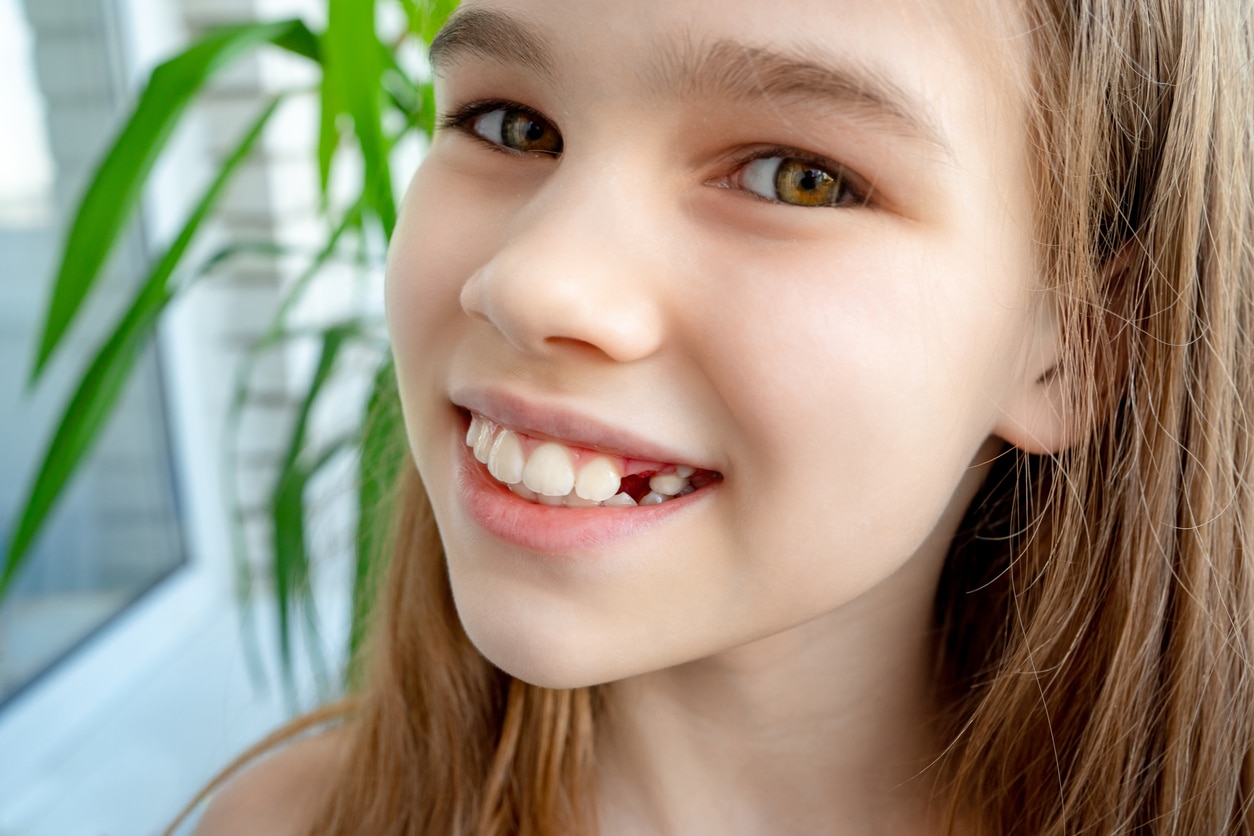
The thumb or pacifier can cause a forward pull. This has two consequences. The first is to shift the upper and lower jaws. The second is that the upper incisors come forward.
To learn more about front teeth as a consequence of the pacifier, discover our article devoted to this subject.
Teeth that grow backwards
This is the opposite phenomenon of the teeth moving forward. Here the traction is made towards the back, causing the teeth to push in the opposite direction.
Teeth too far apart
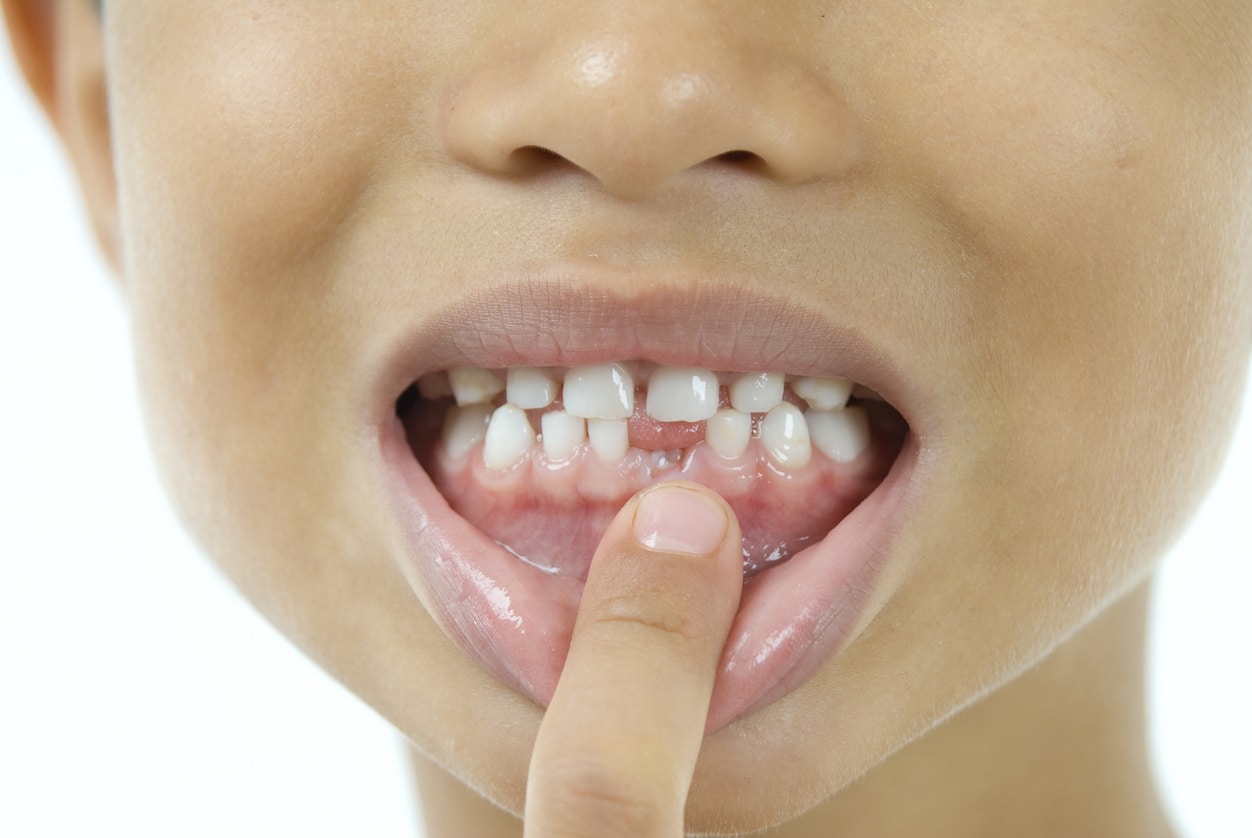
The presence of a pacifier can prevent the teeth from being positioned correctly. It creates a space between the teeth.
Caries and other oral infections
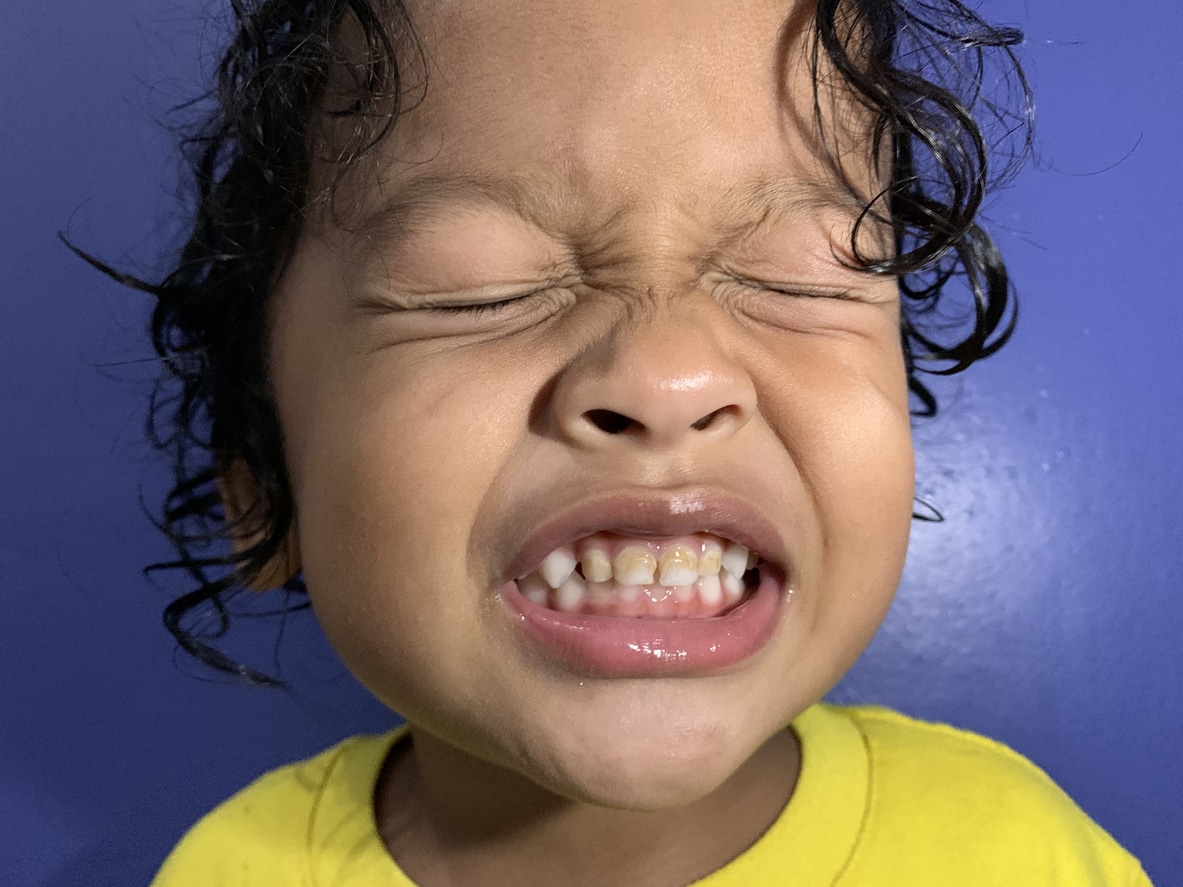
The pacifier is usually lying around and is not necessarily disinfected as needed before each use. These microbes and bacteria that settle on the pacifier can cause oral infections such as cavities.
Pour éviter ce problème, adoptez une hygiène bucco-dentaire stricte : lavez et stérilisez la tétine à chaque fois qu’elle tombe par terre, ne mettez pas la tétine dans votre bouche en guise de nettoyage et pensez à bien brosser les dents de votre enfant après chaque repas.
Teat: deformation of the mouth and palate
Not only can a child's teeth be deformed by the use of a pacifier, but it can also affect the positioning of the jaw. If used too often, this forward pull of the jaw during sucking hinders growth.
There are two main types of jaw deformities related to the pacifier.
The gap in the tooth
The upper and lower jaws no longer touch when the mouth is closed. A space is created between the two.
En plus du côté inesthétique, la béance dentaire peut avoir des conséquences sur l’élocution et la mastication.
L’occlusion croisée
On parle d’occlusion croisée lorsque les mâchoires ne sont pas alignées. Ce mauvais positionnement de la mâchoire ou des dents peut entrainer :
- Deformities in the mouth,
- Des douleurs d’articulation,
- Chewing problems,
- An unaestheticism.
Teeth deformed by the pacifier: how to avoid it and help your child to stop using it?
At what age should a child's pacifier be removed?
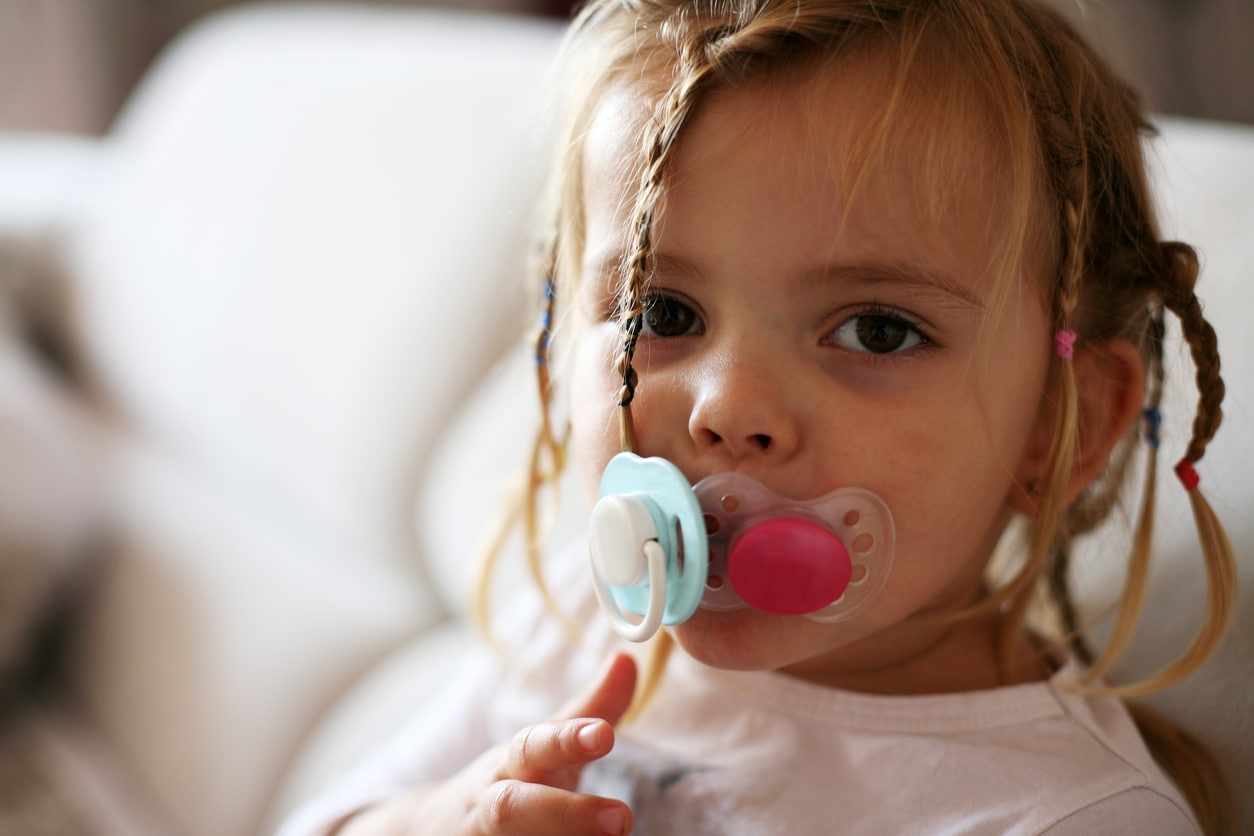
Il n’y a pas d’indications sur l’âge précis auquel un enfant est censé arrêter de sucer son pouce ou d’utiliser une tétine. En revanche, les professionnels dentaires s’accordent à dire qu’il est préférable que l’enfant cesse vers 2 ou 3 ans. Pour plus de détails sur ce sujet, consultez notre article qui porte sur l’age at which to remove the pacifier.
L’entrée à l’école est souvent une bonne opportunité pour arrêter la tétine : l’enfant franchit une étape qu’il sait importante.
Before this age, oral deformities can still be prevented. And if they have already occurred, teeth deformed by pacifier use can still correct themselves.
The main problem parents face when trying to get their child to stop using a pacifier is habit. Whether it's for entertainment, relaxation or sleep, the child has developed a habit of sucking his thumb or pacifier.
Alors comme toutes les habitudes, le mieux est d’essayer de la remplacer progressivement par autre chose sans brusquer car interdire la sucette n’amènerait qu’incompréhension et frustration.
The orthodontic pacifier: a solution?
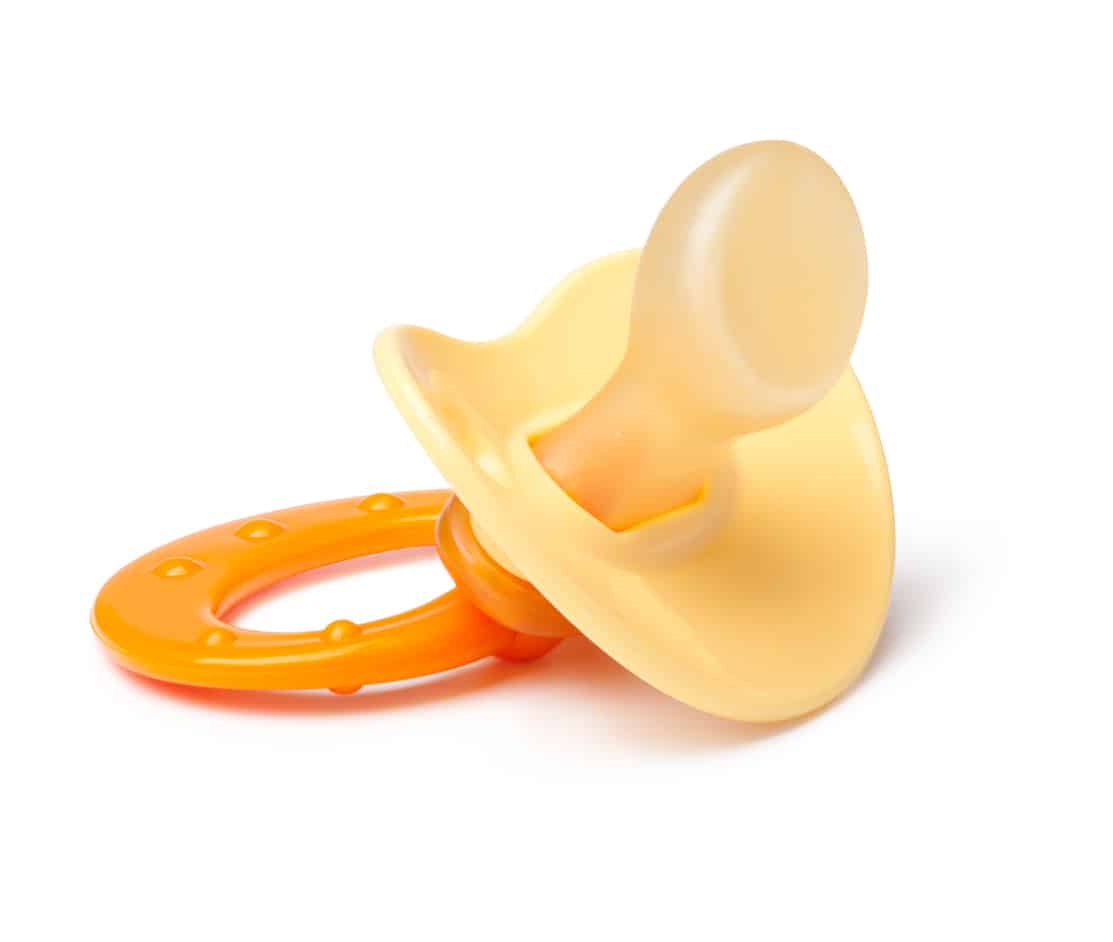
Une des solutions préventive et corrective pour préserver le capital dentaire de l’enfant est la sucette orthodontique. Conçue spécialement pour réduire les effets néfastes sur les dents, elle permet une alternative aux tétines traditionnelles. Il est cependant nécessaire de bien se renseigner avant tout achat car de nombreuses tétines dites « orthodontiques » n’en sont pas.
The orthodontic pacifier can for example be adopted from an early age. This way, the child is used to it from a very young age and growth problems are limited.
It can also be offered later to help the child separate from his thumb or pacifier.
Find out more about the orthodontic pacifierYou will know if it is suitable for your child and what its advantages are.
Other possible techniques to stop the pacifier
For getting a child to stop using a pacifierThere are a multitude of tricks that can be used. Each child is different and one technique will not necessarily work for all children. The best thing to do is to follow the child's rhythm and not to make him feel guilty if he can't stop.
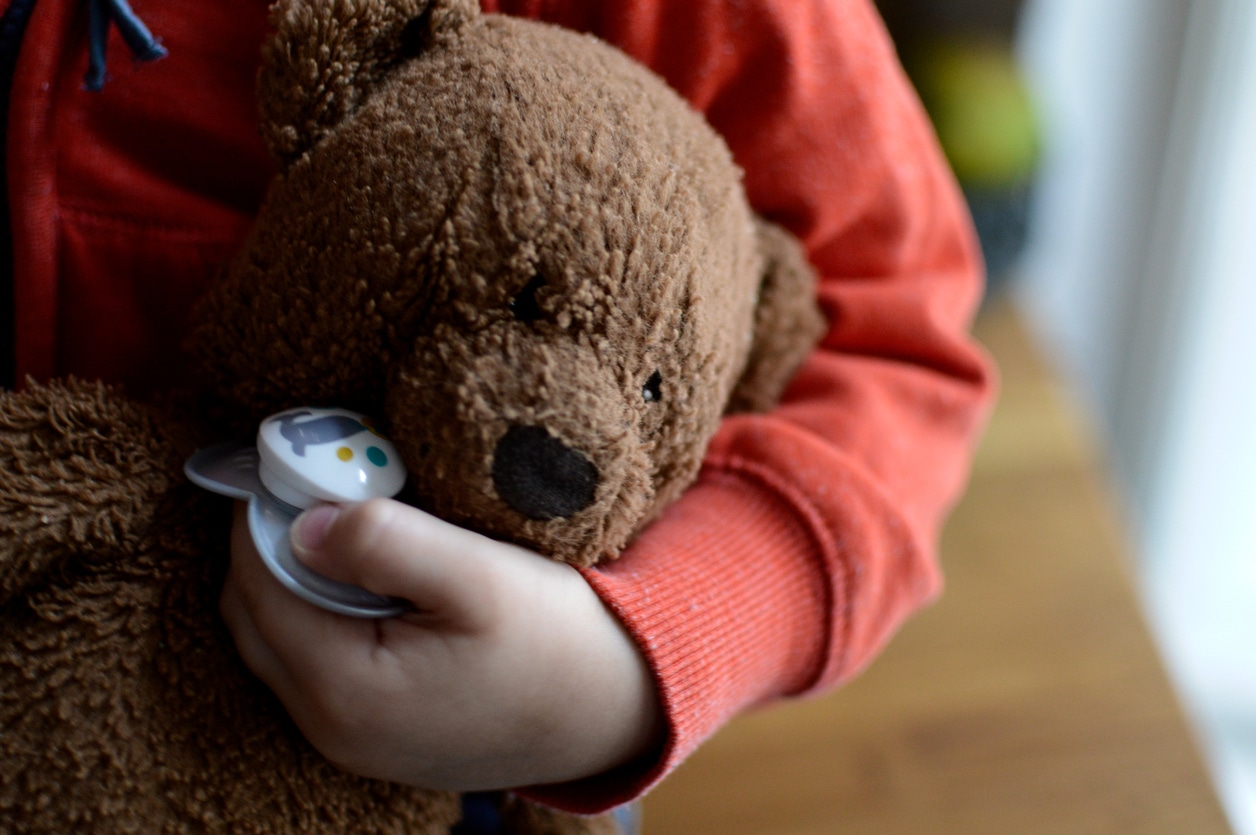
Here are some examples that may help you:
- Turn the situation into a game,
- Le distraire par d’autres activités, lorsque l’enfant souhaite utiliser sa tétine par ennui,
- If he is old enough: make him aware of the consequences of using a pacifier,
- Leave the pacifier at home only,
- Lire des livres sur l’arrêt de la tétine,
- Proposer un doudou pour s’endormir,
- Offer a hug as a guide to comfort.
If, despite your best efforts, your child cannot do without his pacifier and suffers from oral deformities, do not panic! These deformities are completely reversible with dental or orthodontic care.


