Many parents skip brushing their babies' teeth. Yet, the very early years are the ideal time to promote and ensure excellent dental health in the future.
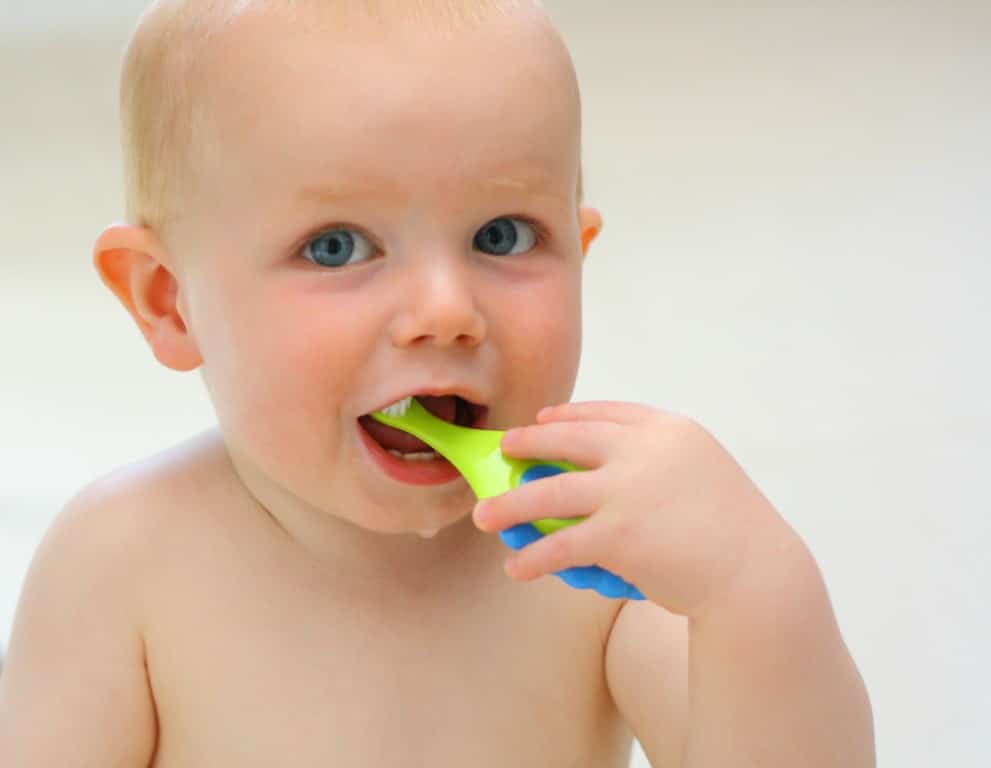
Starting to brush your baby's teeth as soon as the first tooth appears allows him to get used to it. For him, it will become a simple and essential gesture that is part of his daily routine.
In this article, you will learn why it is so important to brushing your child's teeth. So here's everything you need to know about the teeth cleaning process for babies.
Why brush your baby's teeth?
It is quite legitimate to ask this question, especially since baby teeth are not permanent. Brushing teeth at such a young age contributes to a better prevention of dental caries.
In fact, the protection of permanent teeth is anticipated as they can be formed in a healthy and clean environment.
In addition, a properly performed cleaning allows the gums to remain healthy.
What do I need to know about baby teeth cleaning?
Should I brush my baby's first teeth?
Yes, you have to! The condition of the first teeth plays a major role in the healthy formation of the permanent teeth. Brushing them regularly and properly is essential for good oral health.
At what age should babies start cleaning their teeth?
Parents often wonder about At what age to start brushing their baby's teeth. As a general rule, brushing is recommended as soon as the first tooth appears.
Brushing should be gentle. That's why you should choose a toothbrush that is specially sized, bristled and made for babies. Toothpaste should not be used on babies under 2 years of age. Water on the toothbrush is sufficient.
How to brush your baby's teeth?
Brushing should be done once or twice a day. In any case, be sure to remember to brush your child's teeth before bedtime. This is an extremely important part of good oral health.
L’idéal est d’avoir son bébé dans les bras lors du brossage et de n’exercer aucune pression sur la gencive ou sur la dent. Il est important de se montrer très doux afin d’éviter que votre bébé ne finisse par refuse to brush your teeth.
Simple steps to prevent early childhood caries
What should I know about early childhood caries?
As a result of poor oral hygiene, children can develop cavities in early childhood around the age of 5. However, we can also observe it in children from 2 to 3 years old.
The lack of adequate dental cleaning causes the transformation of sugars into acids that affect the enamel of the teeth and promote the appearance of this cavity.
Worsening is imminent and rapid. Early childhood caries can even affect a child's growth and language development.
How to avoid this type of cavity?
La première mesure à prendre afin de garantir une dentition saine, et donc de prévenir la carie de la petite enfance, est de bien nettoyer la bouche de bébé. Il est recommandé de le faire avant même que la première dent n’apparaisse.
For this, it is best to use a cotton ball soaked in saline, especially after each feeding.
Dès lors que la dentition est entamée, l’idéal est de commencer aussitôt le brossage dentaire. Pour que la prévention soit plus efficace, les gestes suivants sont à préconiser :
- Never put honey or sugar on your baby's bottle nipple. There are other methods that can help him accept them rather than harm his dental health early on.
- Pay special attention to your baby's medications, as they may contain sugar. In this case, clean the gums and mouth with saline after each dose. If the teeth are already formed, they should be cleaned with a brush.
Your baby's brushing technique has a big impact on his or her oral health, so following the tips in this article is essential. Don't hesitate to consult your pediatrician or dentist to keep up to date with the latest dental hygiene recommendations.


